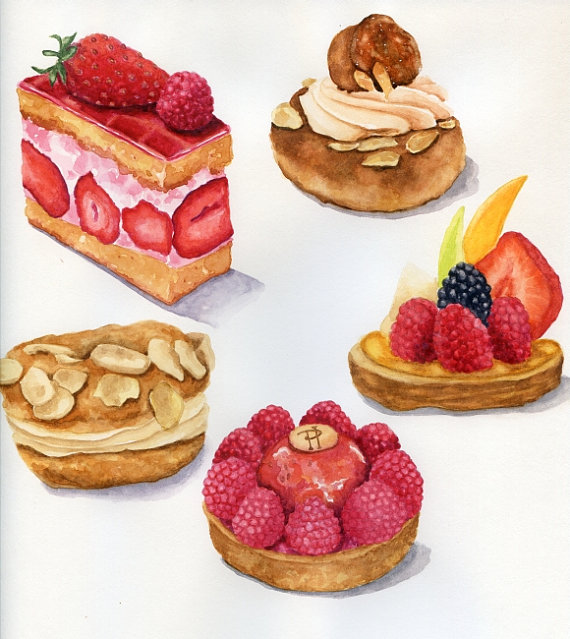
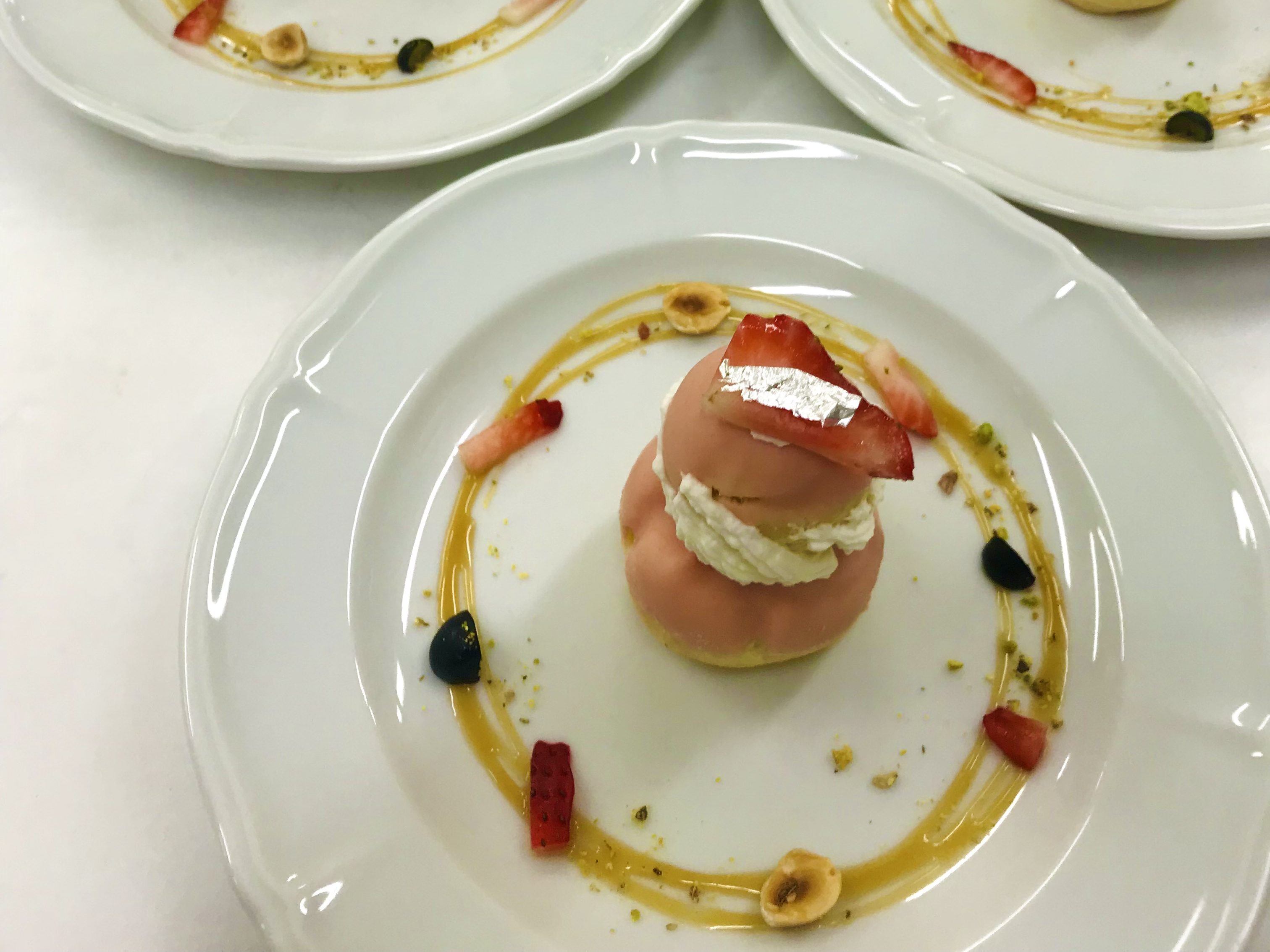
IF YOU’RE WONDERING HOW YOU CAN IMPROVE YOUR SKILLS AS A BAKER/PASTRY COOK, THERE ARE A FEW KEY QUALITIES THAT CAN HELP YOU TO PROGRESS.
1) Organisation
Baking is a juggling act. This means organising everything from your ingredients to forward-thinking your way through the stages of the recipe.
Lots of thinking ahead is required when you’re a baker and you need to be considering what needs to be done in advance so that everything is ready when needed. It also means incorporating steps that aren’t necessarily in the recipe, such as cleaning down your kitchen as you go.
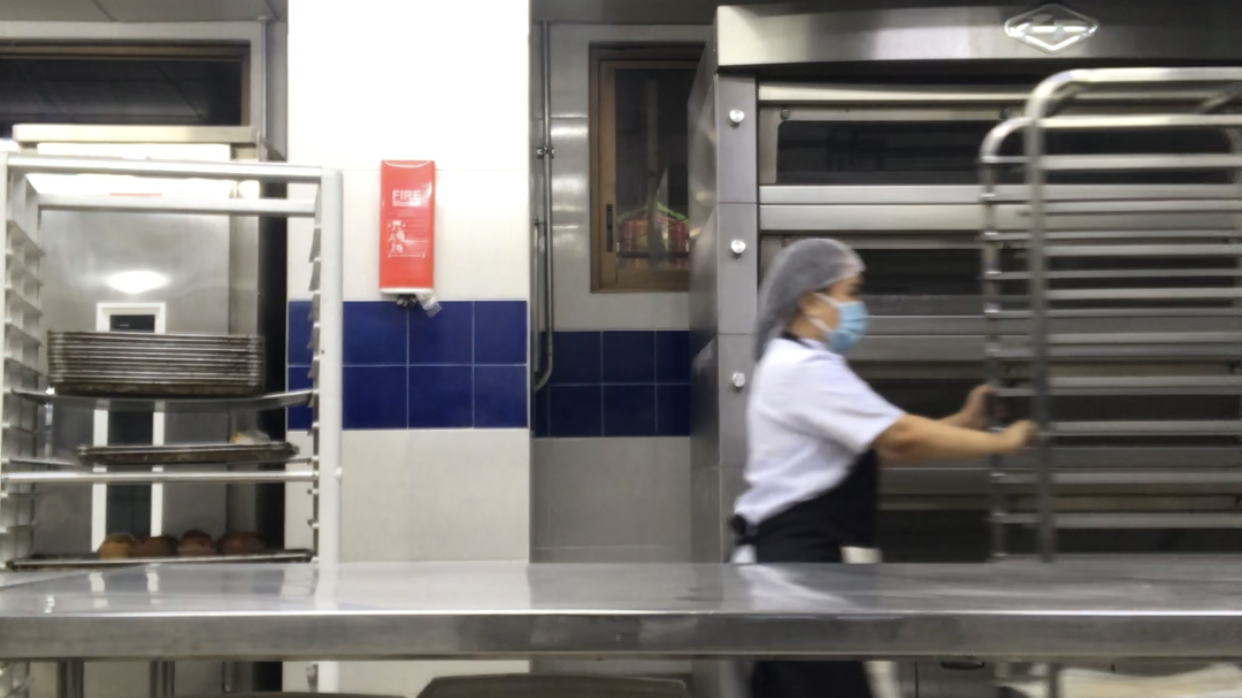
Weigh out your ingredients before you start, check that everything is ready to use (e.g. chopped chocolate, butter and eggs at room temperature) and that you have all the necessary tools and equipment prepared.
It might help to write a quick timeline if your recipe is particularly complicated, just to remind you in short form what needs to be done when.
2)Attention to detail
Accuracy is important when it comes to baking. It is a precise science and the wrong sort of raising agent or incorrect oven temperature can create problems.

Careful attention to detail is necessary when baking, starting with reading the recipe from start to finish before doing anything. If you don’t understand the steps and processes, you might end up misunderstanding what is required.
Read your labels when preparing ingredients and use an oven thermometer to check your oven is baking at the correct temperature. All measuring equipment should be in working order with clear markings.
3)Co-ordination
If hand-eye coordination doesn’t come naturally to you, you can learn with practice.
Skills such as cake decorating, using a palette knife, piping, painting and making intricate sugar fondant decorations all take time and effort. When it comes to proficiency in these skills, it takes years to master.
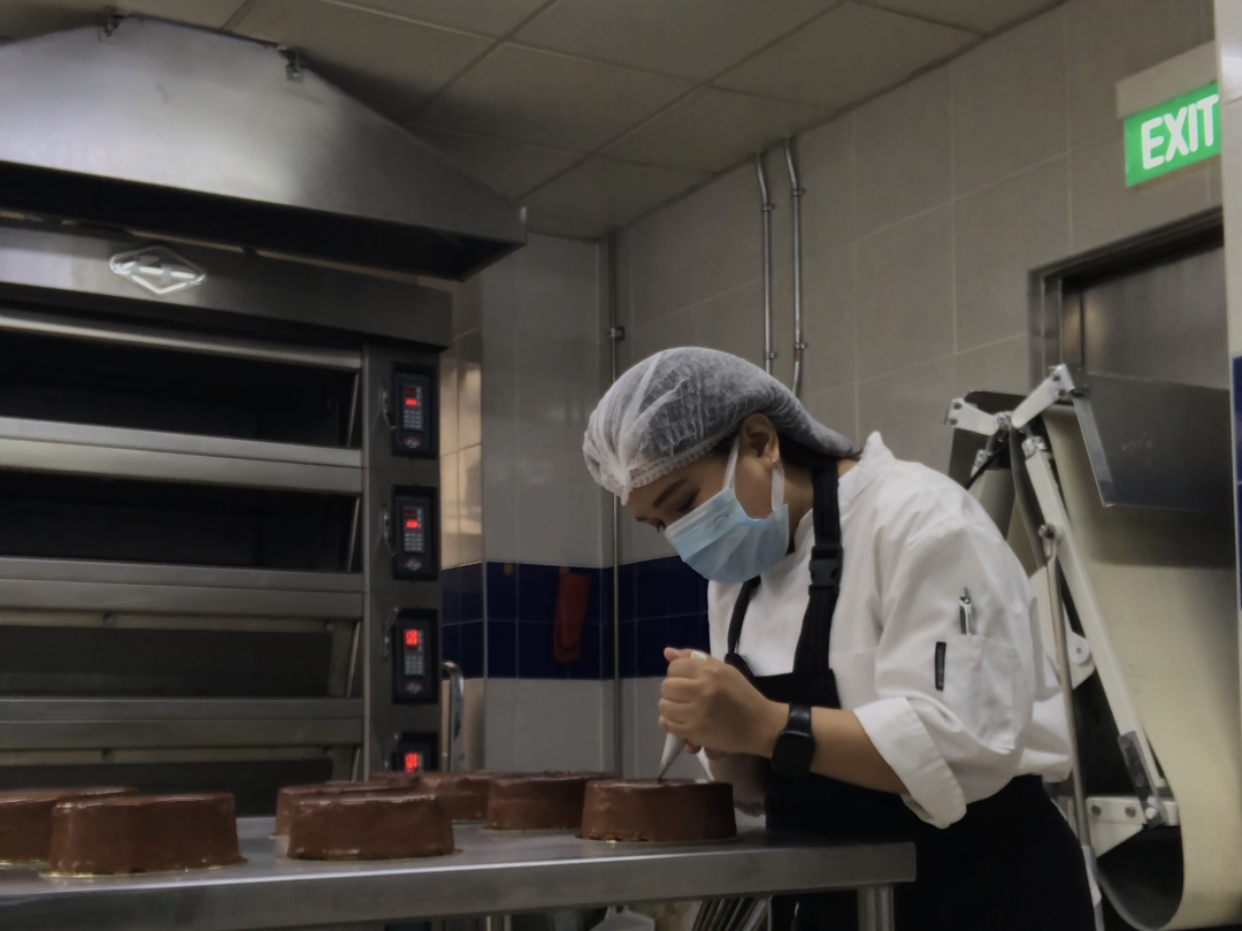
Books and online tutorials are a great way to get inspiration and practice new decorating techniques. If you really wish to progress with your decoration, there are lots of courses available which can be done as a hobby or for those looking to become a professional baker.
4)Patience
Many of us are guilty of wanting to skip to the next step when undertaking the more tedious elements of a baking recipe. It takes patience to ensure that things are done to a high standard in baking, the most common examples being whisking, creaming and mixing.
Lots of tasks in baking require that time be taken to let important processes occur. Whether that is waiting for yeast to activate so that your bread rises, whisking a custard until lumps are removed, stirring a filling until it is a smooth consistency or creaming butter and sugar for long enough that air can be incorporated into the mixture.
Don’t be tempted to fast-forward these critical stages; they can make all the difference between a sunken cake and perfectly risen sponge.
5)Creativity
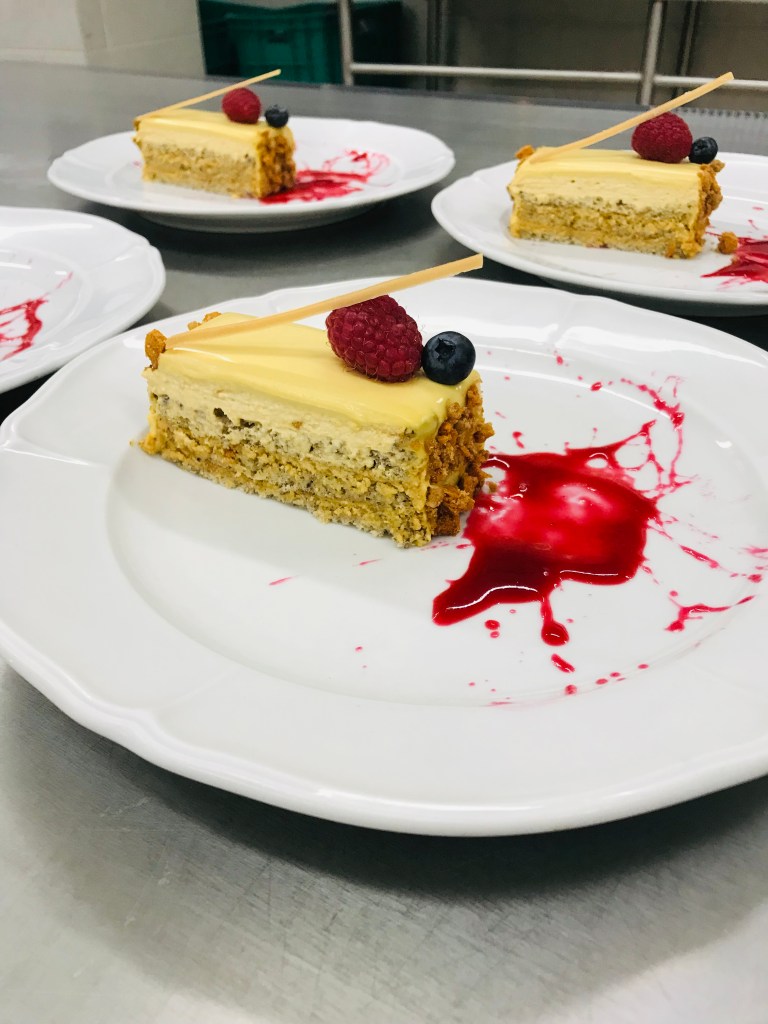
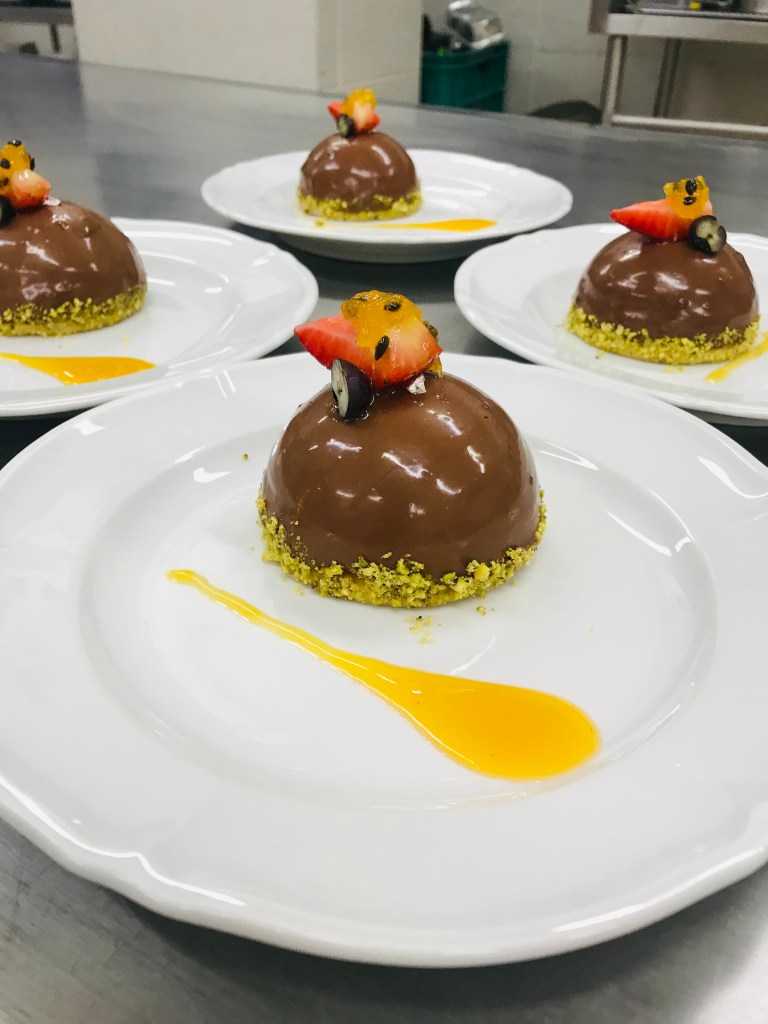
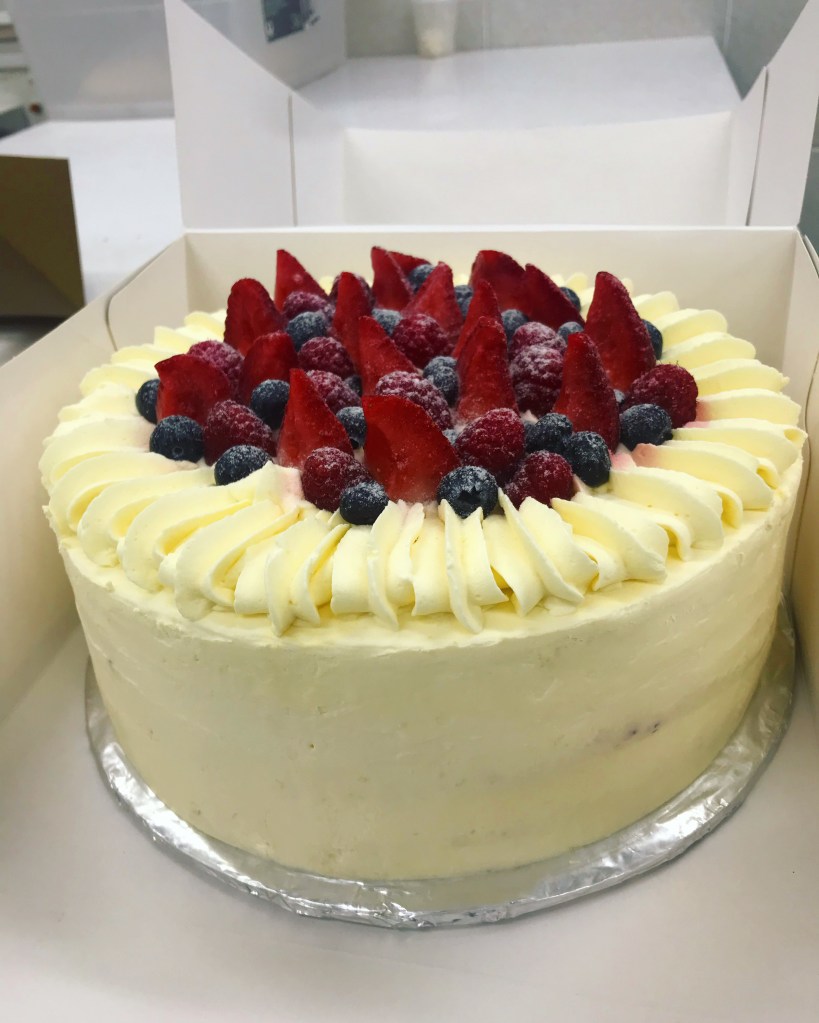
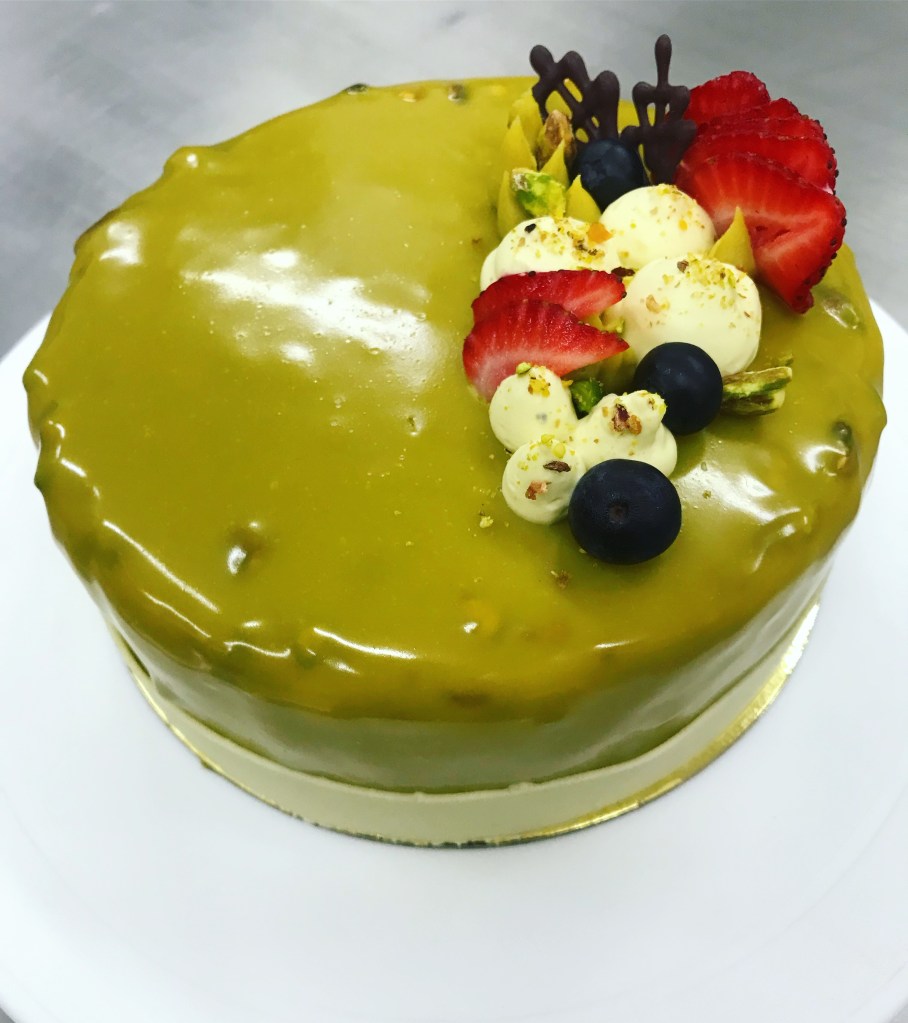
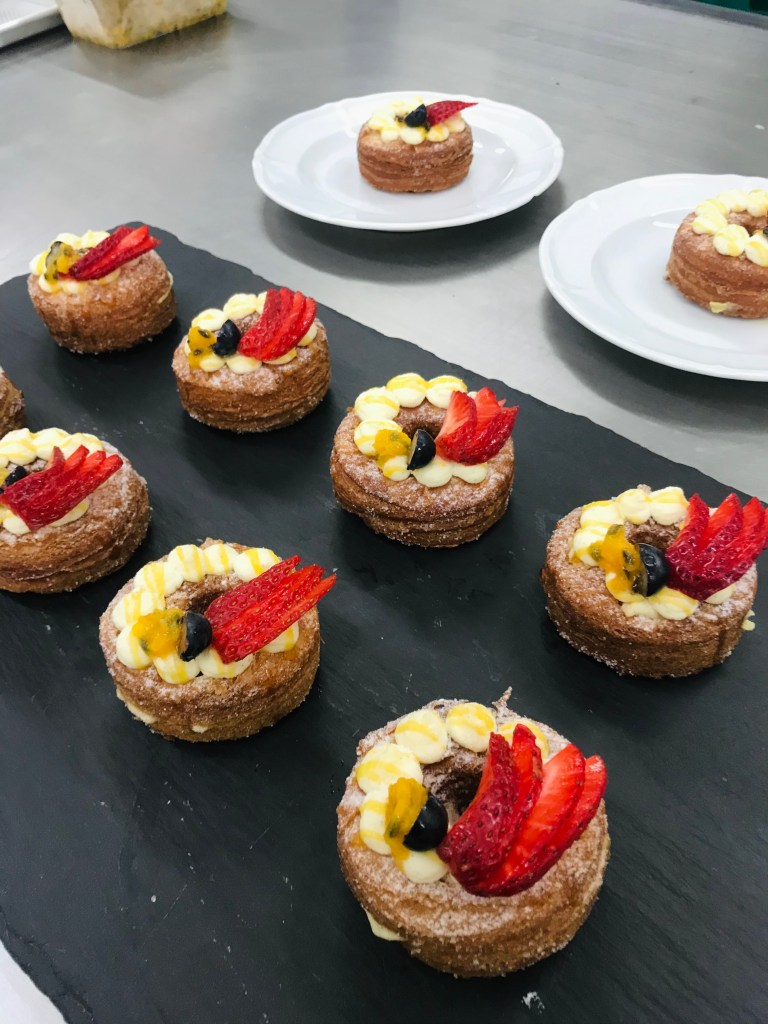
All dessert recipes that we know and love have been invented by cooks and bakers looking to bring something new to the table. Having a flair for baking means knowing what flavours work well and being able to experiment successfully using your technical know-how.
Creativity in baking can also be expressed through cake decoration, which can involve anything from brainstorming physics-defying cake structures to crafting elaborate sugar fondant flowers. Many cake decorators are also handy with a paintbrush and use edible paints to create wonderful details.
What Baking/Cooking Can Teach You About Innovation and Creativity?
The cooking process for me is the clearest example of how we develop widely applicable skills while doing something we love. I think cooking not only develops our learning agility, but it also builds analytical skills and mathematical thinking. Among all the skills we acquire in the process of cooking, I think creativity and innovation are the most powerful.
So what has cooking taught me about innovation and creativity?
- Learn from failure
I consider my 2018 éclair story as a powerful example of learning from mistakes and being resilient. Everyday i struggle to produce good éclair shells. Extending working hours just to get the recipe right, but at the end of the day, I still got 300 pcs bad shaped éclair shells that are not for selling.
Good thing those bad éclair shells can be used in tiramisu production. Instead of using lady fingers, we use éclair shells.
Time goes by and I can finally make the best pate a choux recipe without any hesitation.
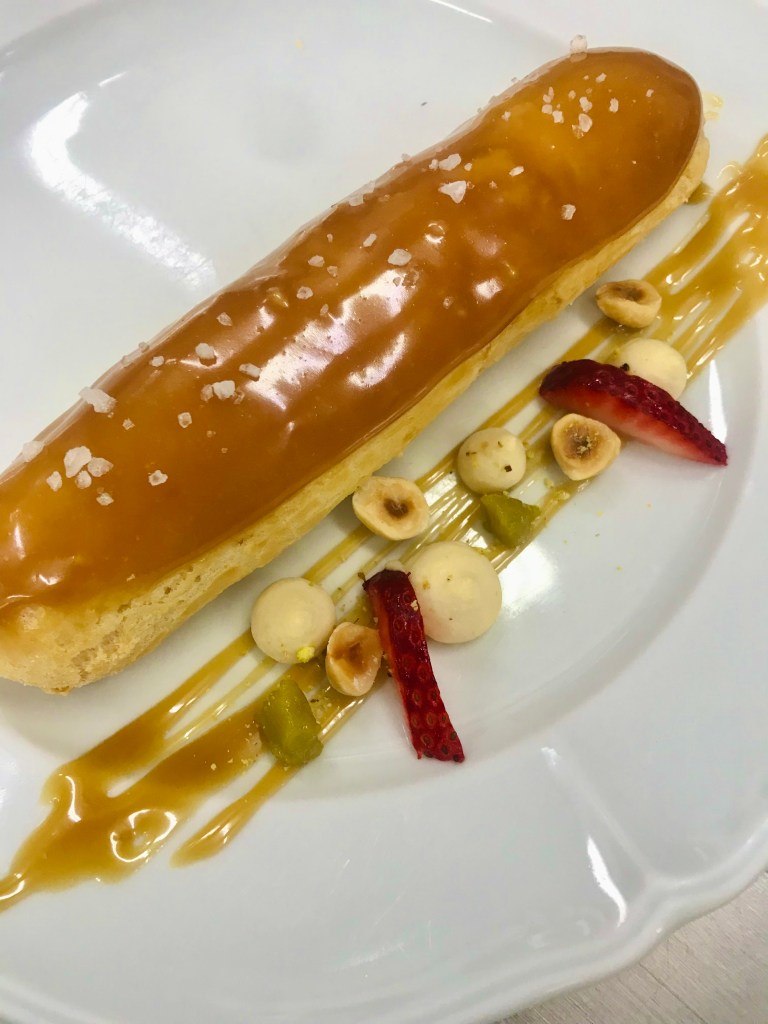
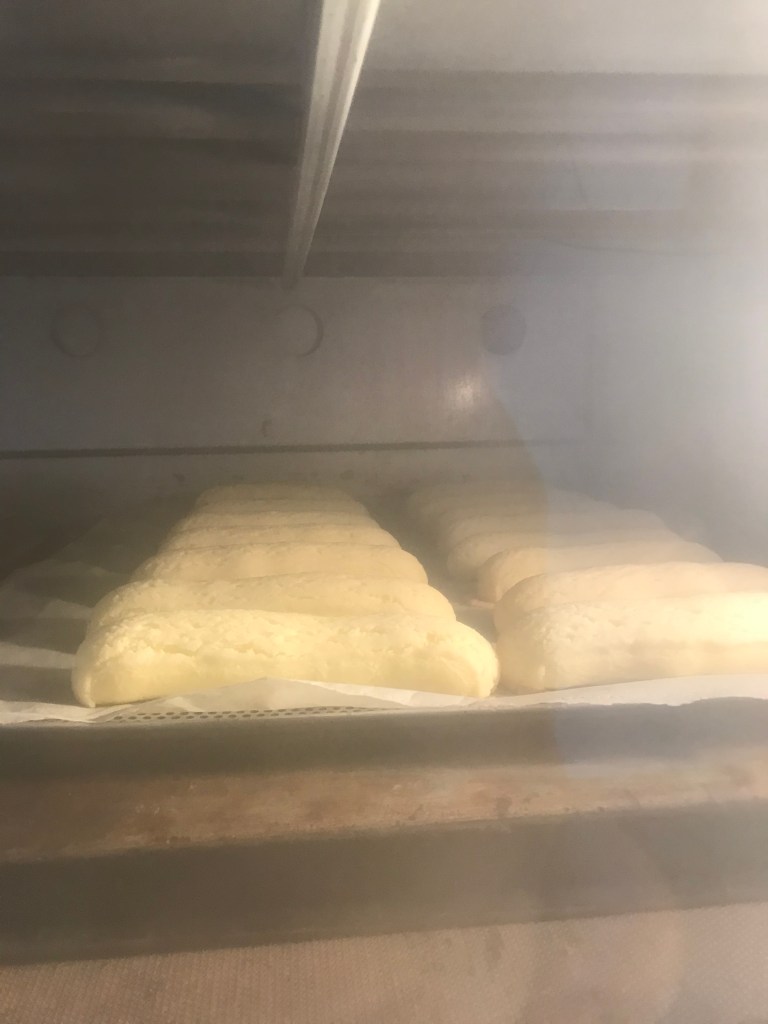
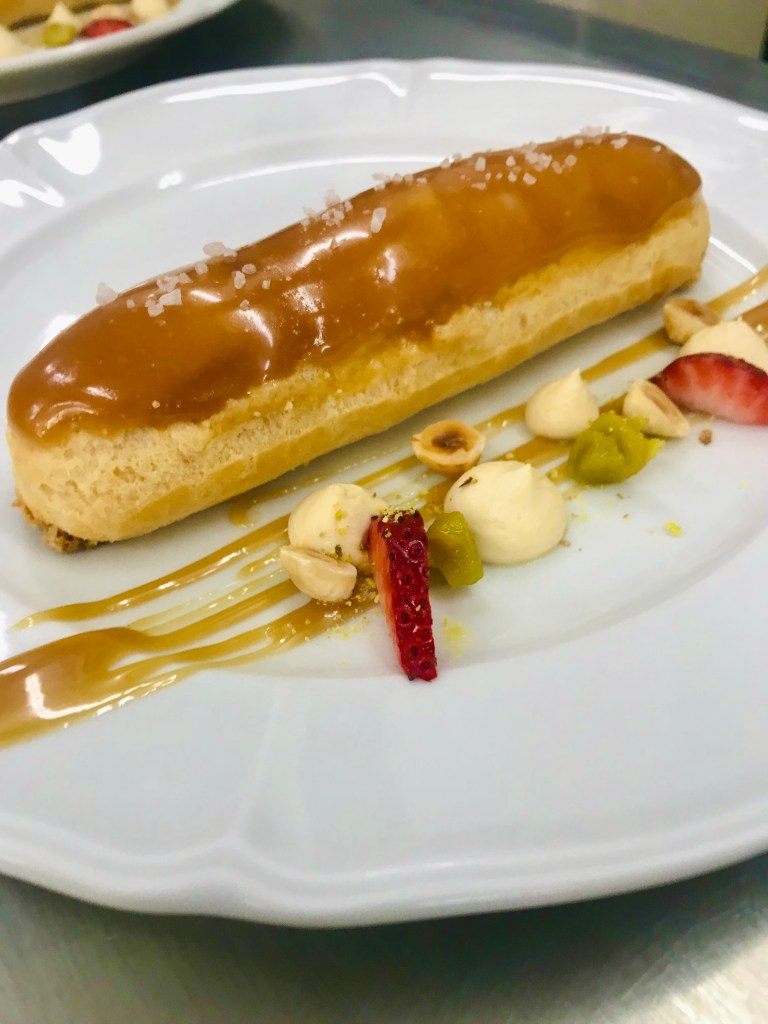
We will not always succeed in our first effort. In cooking, often you need to try several recipes or different techniques until you get perfect pate a choux that is light and still has moisture inside. Being open to learn from failures is key for developing a creative and innovative mind-set. And I’ve applied that learning in the workplace.
- Create an environment that fosters innovation
Cooking has taught me that experimentation and continuous learning require a safe environment, where you know that it is okay to make mistakes, and nothing serious happens if you fail. After the bad éclair shells, my chef made a few jokes but told me that he knew I would find a good formula if I kept trying, giving me the confidence to continue experimenting.
- Take advantage of the resources you have
Over the years I have observed that when I cook my mind opens up, and I begin to see different possibilities for the resources I have available in the kitchen. First, I decide on the type of experience (or meal!) to prepare, then I carefully select the best variety of learning elements (readings, videos, case studies, applications, etc.), which are the ingredients that will make the experience unique and will align to the tastes of the participants. Finally, I cook these “ingredients” using a well-tested technique to ensure we get the best results from each ingredient and create a transformative learning experience.

I am always amazed to see how people with the same ingredients can create different, unique, and delicious creations. This capacity for learning can become a competitive advantage for individuals as it helps challenge the status-quo and current processes to find new and exciting ways of doing things.
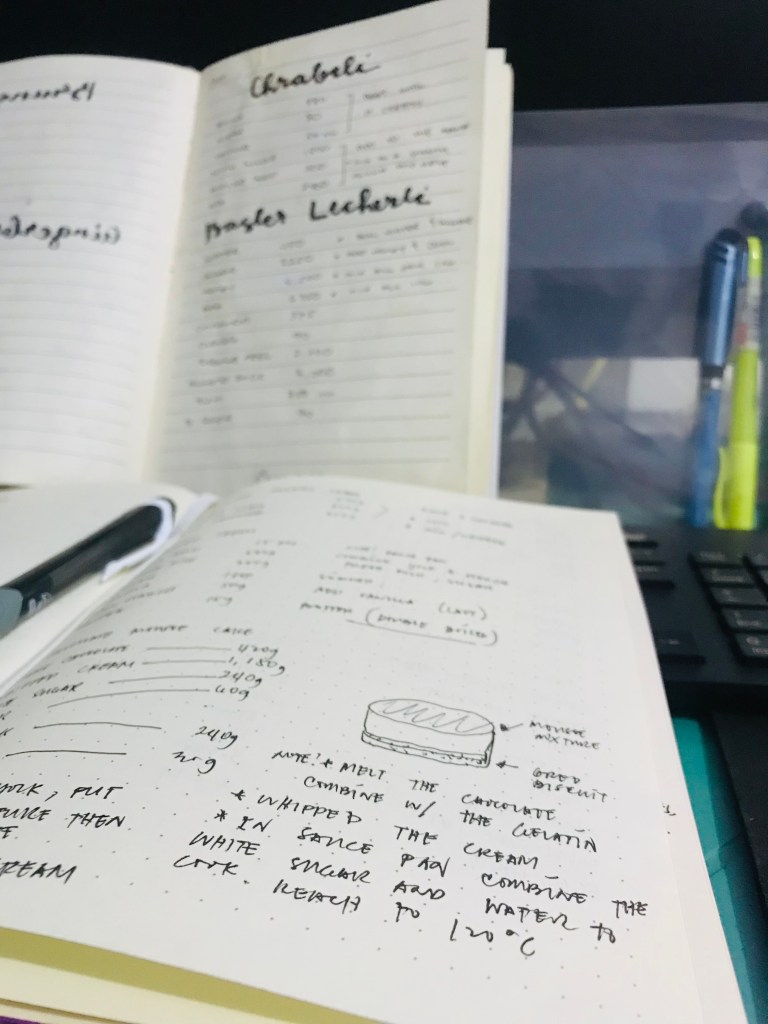
Our hobbies and interests can really teach us leadership skills in new ways. In my experience, when I have been trying to solve a problem for a while and I have not succeeded, or when I need to get into a creative space to develop my leadership skills, I cook. Cooking helps my mind disconnect from the vicious thinking loop and gives me the space to find new approaches to solve the problem from a different perspective.
I invite you to put on an apron and dare to try new aromas and textures—sweet, bitter, salty—to create your own recipes and practice until you master them. Hopefully, there will be few rocks and a lot of sweet rewards in your learning journey.


 Positivity
Leave a comment